Gratitude has become too light a word for the weight of the life we live. Repeated, decorated, performed, it circulates easily precisely because it no longer requires presence nor any confrontation with the contingency of being here. Perhaps for that reason it needs to be returned to the only place where it still makes sense — outside discourse, outside the display window, close to what we prefer to avoid. This essay does not propose another gesture nor an exercise to be practiced. It points to the moment in which gratitude stops being language and becomes evidence, when attention touches the present with the same lucidity that death tends to impose.
The word gratitude feels tired, worn out from being exhibited, repeated, embellished, diluted into friendly versions that demand neither presence nor real contact with the experience of being alive. It appears as an email signature, a photo caption, the automatic closing of a conversation, sometimes accompanied by a namastê, a “gratitude-and-light,” a rehearsed smile that seems to fulfill a social function more than express something actually lived. In this format, gratitude has become a shop-window object, part of the catalog of boutique spirituality — the kind that fits neatly in a profile bio, does not embarrass, does not unsettle, does not come close to the discomfort that sustains life as it is.
There is nothing wrong with the word itself, nor with the act of thanking. The wear begins when the word turns into mechanical habit, into surface language, a kind of varnish covering hurry, privilege, and distraction. Gratitude is talked about a lot, but little is lived from it. The word circulates easily precisely because it asks for nothing beyond agreement; it does not summon attention nor alter how time is occupied or how we look at another person.
It was from this long-standing unease that, one day while listening to an audio by Sam Harris, a question appeared almost inevitably, without effort and without the intention of a quick answer: what could gratitude possibly have to do with death?
He spoke of gratitude as a minimal, almost obvious attitude in the face of the inequality and suffering of so many of our fellow human beings. The number is too large to be comfortable. More than a billion people in the world right now, while this text is being read, are going through extreme situations — wars they did not choose, forced displacement, hunger, precarious access to water and sanitation, serious illness, the absence of a roof, of safety, of predictability. It is not a distant or abstract scenario. It is difficult to imagine that, if the exchange were possible, if that billion could choose to be exactly where you are at this moment, reading these lines, the choice would not be made without a moment’s hesitation.
Most of the time we continue living as if everything were simply given to us, as something natural, predictable, expected. And if it isn’t…
The sequence seems too obvious to question: to be born, grow up, work, die. Death remains outside the daily frame, treated as a distant event, inconvenient and impolite to remember amid so much toxic positivity. Perhaps for that very reason, gratitude has become so light, so ornamental.
Death, seen up close, without romanticizing and without performative fear, has a curious effect. It reorganizes perception, reminding us directly that nothing here is guaranteed, that continuity is a comfortable assumption but not a fact of reality. At any moment we may no longer be here — or those we love may not. Understand this not as a threat, but as a simple fact of living. When this is truly seen and felt, not merely thought, something changes in the way the present is experienced.
If it were possible to return after death to this exact moment — to this body, this environment, this apparently ordinary interval of the day — gratitude as a word or gesture would not need to be activated. It would be evident. The simple fact of being here, breathing, reading, looking around, would already be more than enough. Look now at what is happening as you read: the place, the body supported, the surrounding sounds, the time available to read these lines. There is nothing special about it, and precisely for that reason everything is special.
The deepest gratitude does not arise from lists, journals, reminders, or repeated affirmations in the morning or before sleep. It happens when attention remains in the present without ruminating about the past or anticipating an imagined future. When the present is seen as the only possible place of experience, without distraction and without additional narrative, thanking ceases to be an obligation, a moral or spiritual posture, and becomes a silent recognition of our own human condition.
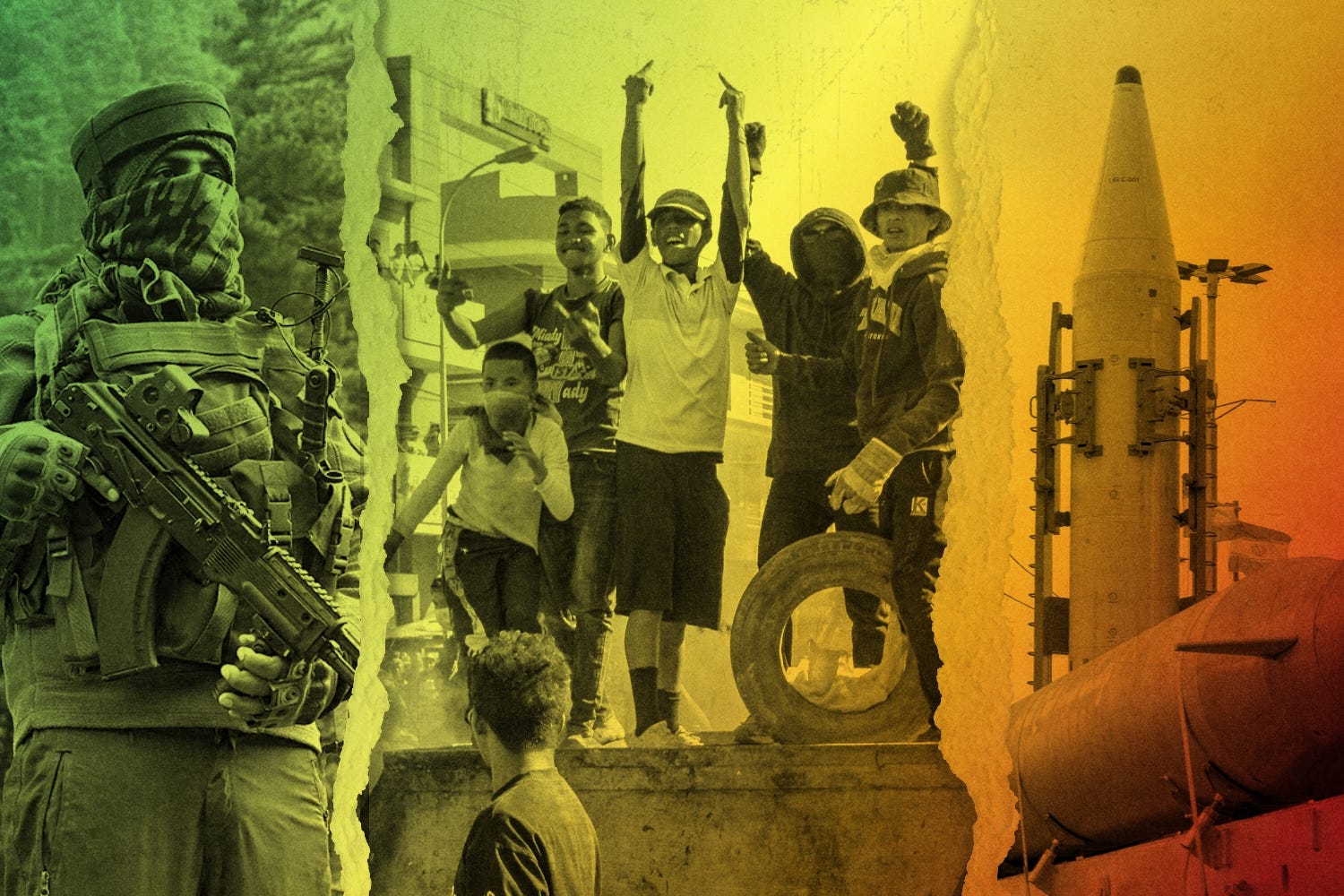
When I look at what I am doing now, who I am now, where I am now, the only honest response that appears does not take the form of a speech. It feels more like an inner nod, a simple clarity. I could be in Gaza, in Ukraine, in Iran, in Africa, in Minnesota.
And you could too.